
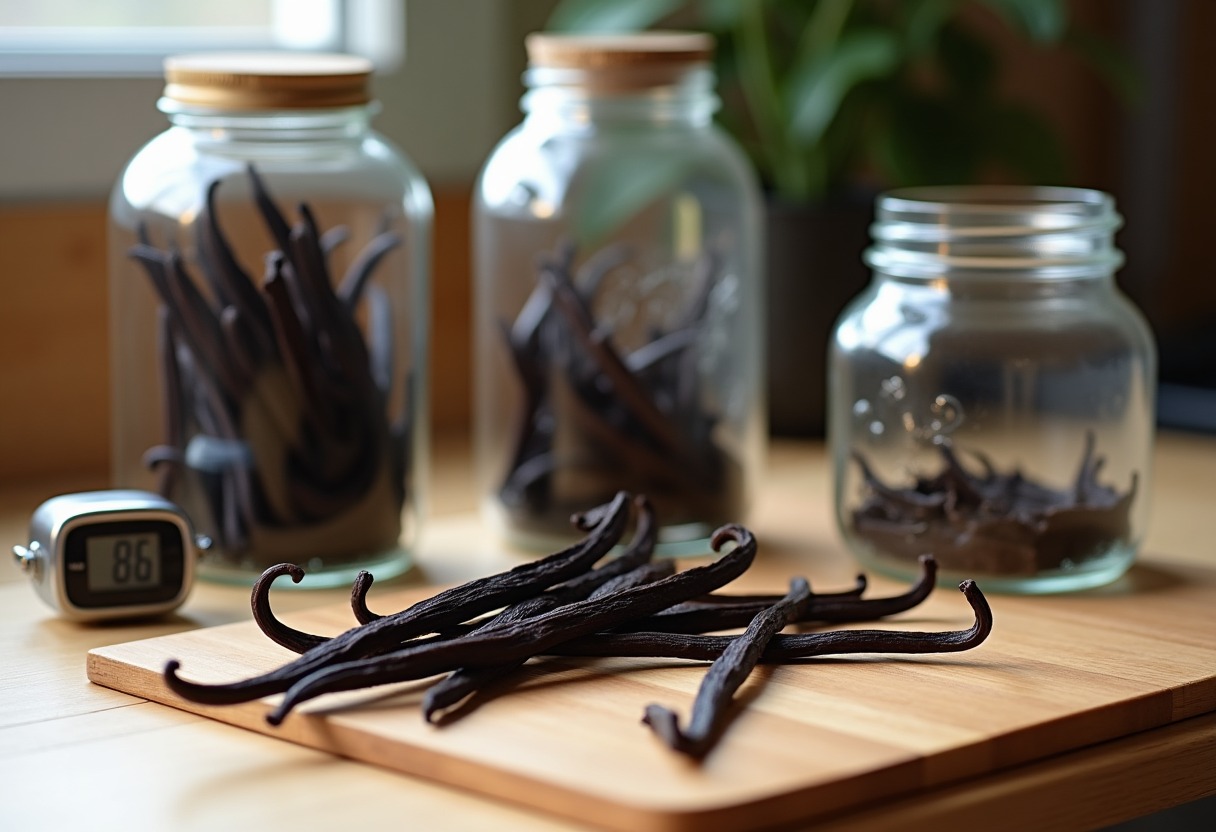
Properly stored vanilla beans maintain their potency for months while poorly stored ones become brittle, lose essential oils, and deliver weak extracts. The difference between supple, aromatic beans and dried-out disappointments comes down to three critical factors: humidity control, consistent temperature, and protection from light and air.
Why Vanilla Bean Storage Matters for Extract Quality
Vanilla beans contain approximately 2-4% vanillin by weight along with hundreds of other flavor compounds that create their complex profile. These volatile compounds evaporate rapidly when beans are exposed to fluctuating humidity, temperature swings, or direct light. According to the FDA's guidelines on vanilla standards, properly preserved beans should maintain their moisture content between 15-25% to ensure optimal flavor extraction.
When vanilla beans dry below 15% moisture content, their cell structure becomes brittle and flavor compounds concentrate unevenly. Conversely, beans stored above 30% moisture risk developing mold or bacterial growth. The sweet spot requires maintaining stable environmental conditions that preserve the bean's natural oils while preventing deterioration.
Quality beans for extract making should feel pliable between your fingers, not brittle or overly soft. Properly stored Grade A or Grade B vanilla beans retain their distinctive aroma and maintain consistent moisture levels throughout their length.
Temperature and Humidity Control Methods
Store vanilla beans at 60-70°F (15-21°C) with relative humidity between 65-75%. Temperatures above 75°F accelerate essential oil evaporation, while temperatures below 55°F can cause condensation issues when beans are moved to warmer environments.
Humidity control requires active management. Most home pantries maintain 40-50% relative humidity, which gradually desiccates vanilla beans over 2-3 months. Professional vanilla processors use climate-controlled storage, but home storage solutions can achieve similar results with proper containers and humidity regulators.
Monitor your storage environment with a digital hygrometer placed inside your storage container. Temperature fluctuations of more than 10°F daily stress the bean's cellular structure and accelerate flavor compound loss. Basements, interior closets, and temperature-stable pantries typically provide the most consistent conditions.
Avoid storing beans in refrigerators or freezers. Cold temperatures cause condensation when beans are removed, creating ideal conditions for mold growth. The repeated temperature cycling damages the bean's structure and compromises flavor compound stability.
Storage Container Comparison
| Container Type | Humidity Control | Light Protection | Air Exposure | Best Use Case | |---|---|---|---|---| | Vacuum-sealed bags | Excellent (removes all air) | Good (opaque bags) | None | Long-term bulk storage | | Glass tubes with cork | Poor (air exchange) | Excellent (dark glass) | Moderate | Display/short-term | | Airtight jars with gaskets | Good (minimal air) | Excellent (amber glass) | Minimal | Daily use portions | | Food-grade plastic | Fair (some permeability) | Poor (clear plastic) | Low | Budget option |
→ Shop vacuum storage containers on Amazon for the most reliable long-term bean preservation. Vacuum-sealed storage eliminates oxygen exposure while maintaining consistent humidity levels around the beans.
For working portions, → shop airtight glass jars on Amazon with rubber gasket seals. Amber or cobalt glass blocks harmful UV rays while maintaining easy access to your beans.
Essential Storage Products and Setup
Start with vacuum-sealable bags designed for food storage. Remove all air using a vacuum sealer or the water displacement method. Place sealed beans inside a secondary container for physical protection and temperature buffering.
→ Shop humidity control packs on Amazon rated for 65% relative humidity. These two-way humidity regulators absorb excess moisture while releasing moisture when levels drop, maintaining stable conditions without monitoring.
For beans you'll use within 6 months, → shop food storage tubes on Amazon made from dark glass or food-grade plastic with secure screw caps. These containers allow easy access while protecting against light and air exposure.
Consider → shop desiccant packets on Amazon only if your storage environment consistently exceeds 75% humidity. Desiccants remove moisture unidirectionally and can over-dry beans if used incorrectly.
Position storage containers away from heat sources, windows, and areas with temperature fluctuations. A dedicated storage box lined with foam provides additional temperature stability and protection from physical damage.
Advanced Preservation Techniques
Double-bag valuable beans using the nested storage method. Place beans in a vacuum-sealed inner bag, then store that bag inside a larger airtight container with humidity control. This approach provides redundant protection against seal failures while maintaining optimal conditions.
Rotate your bean inventory using first-in-first-out principles. Label storage containers with purchase dates and origin information. Vanilla beans maintain peak quality for 12-18 months when stored properly, but Madagascar and Mexican varieties may have different storage lifespans based on their initial moisture content.
Test bean quality monthly by checking flexibility and aroma intensity. Properly stored beans should bend without cracking and release strong vanilla fragrance when gently squeezed. Beans showing white crystalline deposits (vanillin crystals) indicate excellent quality and proper storage conditions.
For extract makers working with multiple bean origins, consider dedicated storage for each variety. Tahitian and Ugandan beans have different moisture profiles that may require slightly different storage approaches.
Document storage conditions and bean performance over time. This data helps optimize your storage setup and predict when to use beans for extract making before quality declines.
Frequently Asked Questions
How long can vanilla beans be stored before they go bad? Properly stored vanilla beans maintain extract-quality potency for 12-18 months, with some high-grade beans remaining viable for up to 24 months. Signs of deterioration include brittleness, loss of aroma, or visible mold growth. Beans stored in fluctuating conditions may degrade within 6-8 months, while vacuum-sealed beans with humidity control can exceed the 18-month mark. Monitor bean flexibility monthly and use older beans first when making large extract batches.
Can you store different vanilla bean varieties together? Store different vanilla origins separately to prevent flavor cross-contamination and maintain distinct aromatic profiles. Madagascar beans have different moisture content than Tahitian or Mexican varieties, which can create uneven storage conditions when mixed. Each origin also has unique volatile compounds that can blend during storage, potentially altering their individual characteristics. Use separate airtight containers or divided storage systems to preserve the unique qualities of each bean type.
What should you do if vanilla beans become too dry during storage? Rehydrate overly dry beans by placing them in a sealed container with a slightly damp paper towel for 24-48 hours, checking progress every 12 hours. Remove the moisture source once beans regain flexibility to prevent over-hydration. Alternatively, use dried beans immediately for extract making, as alcohol extraction can draw remaining flavors from desiccated beans. Monitor humidity levels in your storage area and add humidity control packs to prevent future drying.
Is it safe to store vanilla beans with other spices? Avoid storing vanilla beans with strongly aromatic spices like cinnamon, cloves, or cardamom, as vanilla readily absorbs surrounding odors and flavors. Store beans in dedicated containers away from other spices to maintain their pure vanilla profile. Cross-contamination can alter extraction results and create muddy flavor profiles in finished extracts. If space requires shared storage areas, ensure beans are double-sealed in airtight containers with additional barriers against odor transmission.
How do you know if stored vanilla beans are still good for extract making? Quality vanilla beans for extraction should bend without breaking, release strong vanilla aroma when gently pressed, and show no signs of mold or white fuzzy growth. The surface should feel slightly oily from natural vanillin content, not completely dry or overly sticky. Beans with small white vanillin crystals indicate excellent quality and proper storage. Test a small piece by placing it in vodka overnight; good beans will begin releasing color and aroma within 24 hours, while degraded beans show minimal extraction activity.
Store your vanilla beans properly, and they'll reward you with extracts that capture every nuance of their origin and processing—turning your patience into liquid gold that improves with every month of aging.
Some links on this page are affiliate links. We may earn a small commission if you purchase through them, at no extra cost to you.
As an Amazon Associate we earn from qualifying purchases. This article contains affiliate links; if you buy through them we may earn a small commission at no additional cost to you.